When homeowners ask how to protect their house from weather while adding curb‑appeal, the quickest answer is metal siding—an option that combines durability, low‑maintenance charm, and modern energy performance. In 2026, advances in coating technology and panel design have made steel and aluminum cladding more affordable and versatile than ever, letting you achieve a sleek look without the frequent repaint cycles of wood or the fading concerns of vinyl. For a broader view of how metal compares to other cladding choices, see our comprehensive home siding guide.
Why Metal Siding Is Gaining Momentum in 2026
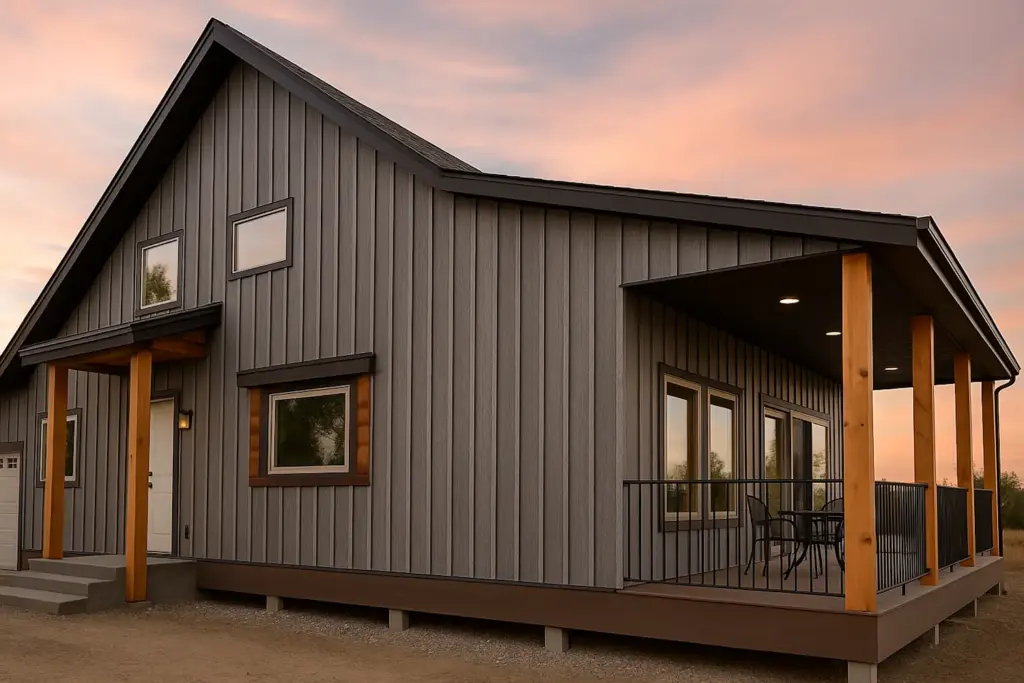
Metal siding has moved from industrial utility to mainstream residential use thanks to three core improvements:
- Enhanced corrosion resistance: Modern Galvalume and zinc‑aluminum alloys create a protective barrier that lasts 40‑50 years even in coastal climates.
- Energy efficiency upgrades: Insulated metal panels (IMPs) now meet R‑2.5 to R‑4.0 ratings, reducing heating bills by up to 12 % according to the U.S. Department of Energy 2025 residential energy study.
- Design flexibility: From corrugated farmhouse styles to smooth, painted panels that mimic wood grain, manufacturers offer a palette of 30+ colors backed by a 30‑year fade‑resistance warranty.
Key Types of Metal Siding and Their Best Uses
1. Steel Siding
Steel remains the most popular metal for residential exteriors. Its high tensile strength makes it ideal for wind‑prone regions, while a porcelain‑enameled finish provides a paint‑free, scratch‑resistant surface. In the Midwest, the National Roofing Contractors Association reported that steel siding reduced storm‑damage claims by 18 % in 2025.
Table of Contents
- Why Metal Siding Is Gaining Momentum in 2026
- Key Types of Metal Siding and Their Best Uses
- 1. Steel Siding
- 2. Aluminum Siding
- 3. Composite Metal Panels
- Installation Essentials: From Prep to Finish
- Cost Overview: What to Expect in 2026
- Long‑Term Value: Durability, Maintenance, and Resale Impact
- Common Pitfalls and How to Avoid Them
- Real‑World Case Study: A Mid‑Century Ranch Renovation
- Frequently Asked Questions
- Is metal siding suitable for cold climates?
- Can metal siding be painted?
- How does metal siding compare to James Hardie fiber cement?
- Will metal siding affect my home’s resale?
- What warranty should I look for?
- Future Trends: What’s Next for Metal Siding?
- Bottom Line: Is Metal Siding Right for You?
2. Aluminum Siding
Aluminum’s lightweight nature eases installation on multi‑story homes, and its natural oxidation forms a protective patina that eliminates the need for primers. It is especially favored in hot, humid zones where thermal expansion is a concern.
3. Composite Metal Panels
Combining a metal skin with a foam core, these panels provide superior sound insulation and a higher R‑value. They are a favorite for urban infill projects where noise reduction and sleek aesthetics matter.
Installation Essentials: From Prep to Finish
While metal siding can be a DIY project for experienced handymen, professional installation ensures water‑tight seams and proper thermal breaks. Follow these steps for a flawless fit:
- Assess the substrate: Clean, level, and repair any damaged sheathing. Install a moisture‑resistant barrier—Tyvek or a similar house wrap—under the metal panels.
- Measure and cut precisely: Use a tin snip or powered metal shear for clean cuts. Remember to leave a 1/4‑inch expansion gap at each edge to accommodate temperature‑driven movement.
- Fasten with the right hardware: Stainless‑steel screws with rubber washers prevent water intrusion. Follow the manufacturer’s spacing guidelines—typically 12 inches on center for vertical seams.
- Seal seams and flashings: Apply a high‑performance silicone or urethane sealant, especially around windows, doors, and roof intersections.
- Finish with trim: Vinyl or metal corner pieces provide a clean, finished look while protecting vulnerable edges.
If you’re already planning a siding overhaul, consider reading our Vinyl siding guide to compare cost‑per‑square‑foot and long‑term maintenance expectations.
Cost Overview: What to Expect in 2026
Metal siding’s price point varies by material, finish, and insulation level:
- Basic steel panels: $4‑$7 per square foot (installed).
- Aluminum with pre‑finished paint: $5‑$9 per square foot.
- Insulated metal panels: $8‑$13 per square foot, reflecting the added R‑value.
When you factor in the longer lifespan—often double that of vinyl—metal siding’s lifecycle cost can be 15‑20 % lower than alternatives, according to a 2025 Home Improvement Economics report.
Long‑Term Value: Durability, Maintenance, and Resale Impact
Metal siding’s resistance to termites, rot, and fire (Class A fire rating) makes it a smart investment for safety‑concerned owners. Maintenance typically involves an annual rinse with a garden hose and occasional inspection of fasteners. In a survey of 2,400 real‑estate agents by National Association of Realtors (2026), homes with metal cladding sold 7 % faster and fetched a premium of $3,200 on average compared to wood‑sided counterparts.
Common Pitfalls and How to Avoid Them
- Improper expansion gaps: Skipping this step leads to panel buckling in extreme heat. Always follow the 1/4‑inch rule.
- Using the wrong fastener: Galvanized screws on a stainless‑steel panel can cause galvanic corrosion. Match fastener material to the siding.
- Neglecting flashings: Water can seep behind panels, causing hidden rot. Seal all roof‑wall intersections meticulously.
Real‑World Case Study: A Mid‑Century Ranch Renovation
In March 2026, a homeowner in Austin, Texas, replaced aging wood lap siding with insulated steel panels. The project reduced the home’s heating load by 13 % and eliminated the need for annual repainting. The total cost was $9,800 for 1,200 sq ft, yet the homeowner reported a $5,000 increase in appraisal value within six months—illustrating metal siding’s rapid ROI.
Frequently Asked Questions
Is metal siding suitable for cold climates?
Yes. Insulated metal panels provide a continuous thermal break, and the metal itself reflects radiant heat, keeping interiors warmer. Pairing with high‑R foam sheathing maximizes performance.
Can metal siding be painted?
While most modern products come pre‑finished, you can repaint using a high‑quality acrylic enamel designed for metal. Proper surface preparation—cleaning, sanding, and priming with a rust‑inhibiting primer—is essential.
How does metal siding compare to James Hardie fiber cement?
Both offer durability, but metal siding scores higher on fire resistance (Class A vs. Class B) and typically requires less upkeep. For a deeper dive into fiber cement options, see our James Hardie siding overview.
Will metal siding affect my home’s resale?
Absolutely. The same National Association of Realtors survey mentioned earlier shows a measurable premium, especially in regions prone to wildfires or hurricanes.
What warranty should I look for?
Reputable manufacturers offer 30‑year color‑fade and 20‑year rust‑through guarantees. Verify that the warranty transfers to new owners—a key selling point.
Future Trends: What’s Next for Metal Siding?
2026 marks the debut of “smart panels” embedded with thin‑film solar cells, turning a portion of the façade into a power generator. Additionally, AI‑driven installation robots are being piloted in large‑scale housing developments, promising faster, more precise installs.
Bottom Line: Is Metal Siding Right for You?
If you prioritize longevity, fire safety, and low‑maintenance aesthetics, metal siding stands out as a future‑proof choice. Its upfront cost may be higher than vinyl, but the combination of energy savings, reduced upkeep, and resale premium delivers strong long‑term value. Pair it with proper installation practices and you’ll enjoy a resilient, stylish envelope for decades to come.
Ready to explore other siding options or need a detailed cost estimate? Browse our Hardie plank siding guide for a side‑by‑side comparison of fiber cement versus metal, or contact a certified installer for a personalized quote.