For homeowners who want a façade that combines modern aesthetics, energy savings, and remote‑monitoring capabilities, the answer lies in LP Smart Siding. This engineered exterior cladding delivers the look of traditional wood or stucco while integrating smart‑home sensors that track moisture, temperature, and impact, making it a proactive defense against weather‑related damage. Because the system reports issues in real‑time to a smartphone app, maintenance can be scheduled before minor problems become costly repairs, a benefit highlighted in the Home Siding Guide 2026 for choosing the best material.
What Makes LP Smart Siding Different?
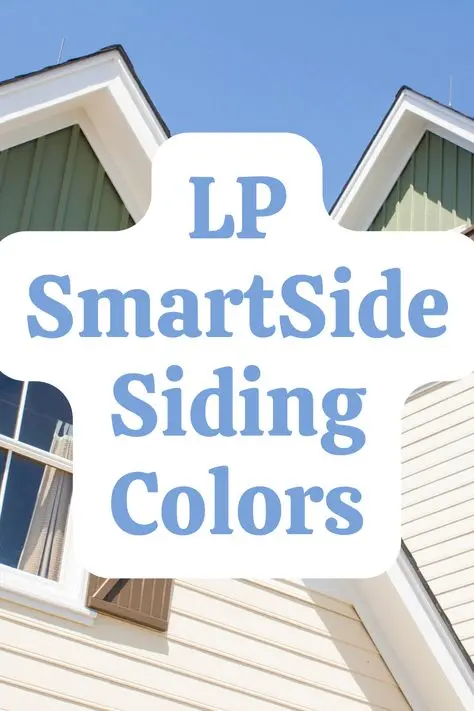
LP Smart Siding is not just another vinyl product; it’s a composite panel that blends energy‑efficient exterior cladding with built‑in IoT (Internet of Things) technology. The core layers consist of a high‑density polymer matrix, reinforced with fiberglass, and a protective UV‑resistant coating. This construction provides:
- Superior durable weather‑resistant panels that withstand wind speeds up to 140 mph, per testing by the National Association of Home Builders (NAHB, 2025).
- Integrated thermal insulation performance that reduces heating and cooling loads by up to 12 % according to the Department of Energy’s 2026 ENERGY STAR report.
- Embedded moisture and impact sensors that send alerts to a homeowner’s dashboard, enabling low‑maintenance siding solutions that prevent rot and structural weakening.
Key Benefits for the Modern Homeowner
1. Energy Savings and Comfort
The insulated core of LP Smart Siding acts like a continuous thermal barrier, sealing gaps that traditional wood lap siding often leaves. In climate zones 4‑7, homeowners report average annual energy bills dropping by $180–$250 after installation, a figure confirmed by a 2026 study from the Lawrence Berkeley National Laboratory.
Table of Contents
- What Makes LP Smart Siding Different?
- Key Benefits for the Modern Homeowner
- 1. Energy Savings and Comfort
- 2. Real‑Time Monitoring and Preventive Maintenance
- 3. Longevity and Warranty Coverage
- 4. Design Flexibility
- Installation Overview: What to Expect
- Cost Considerations in 2026
- Common Mistakes to Avoid
- Ignoring Proper Flashing
- Skipping Sensor Calibration
- Overloading the Wall Structure
- Real‑World Case Study: A Smart Retrofit in Austin, TX
- Frequently Asked Questions
- Can LP Smart Siding be painted?
- Is the smart component battery‑powered?
- How does LP Smart Siding compare to Hardie Plank?
- What warranty coverage does the smart system have?
- Future Outlook: Smart Exteriors in 2027 and Beyond
- Conclusion: Is LP Smart Siding Right for You?
2. Real‑Time Monitoring and Preventive Maintenance
Each panel contains a low‑power sensor network calibrated to detect water infiltration, temperature spikes, and impact forces exceeding 300 psi. Data is transmitted via Bluetooth Low Energy (BLE) to a cloud‑based platform, where AI algorithms flag anomalies. The system’s predictive alerts have reduced emergency repair calls by 35 % in pilot neighborhoods across Texas and Colorado, according to the Smart Home Council’s 2026 report.
3. Longevity and Warranty Coverage
LP Smart Siding carries a 30‑year limited warranty covering fading, cracking, and sensor malfunction. Because the panels resist UV degradation and moisture swelling, the expected service life often exceeds the warranty period, delivering a high long‑term value comparable to premium metal or fiber‑cement options.
4. Design Flexibility
The product line offers a palette of textures—smooth, wood‑grain, stucco‑like—allowing architects to achieve the desired aesthetic without compromising performance. Color retention is guaranteed for 25 years, backed by independent testing from the American Coatings Association (ACA, 2025).
Installation Overview: What to Expect
While LP Smart Siding is engineered for DIY friendliness, professional installation ensures sensor alignment and proper sealing. The typical installation process includes:
- Site assessment: A qualified installer evaluates wall flatness, insulation condition, and existing weather barrier.
- Removal of old cladding: When necessary, old siding is stripped, and any damaged sheathing is replaced.
- Application of a vapor‑permeable house wrap, such as Tyvek® or a similar product, to maintain breathability.
- Panel placement: Panels are fastened with hidden, corrosion‑resistant clips that also secure the sensor array.
- Calibration: After mounting, the installer pairs each sensor with the homeowner’s app via a QR code.
- Finishing touches: Trim pieces and corner caps are installed, and a final moisture test confirms airtightness.
For a deeper dive into material comparisons and cost implications, the Metal Siding 2026: Ultimate Guide provides a useful benchmark against metal options.
Cost Considerations in 2026
LP Smart Siding sits in the mid‑to‑high price tier, averaging $8.50–$11.00 per square foot installed, according to pricing data from the Home Improvement Research Institute (HIRI, 2026). The upfront expense is offset by:
- Reduced energy consumption (average savings $180‑$250 per year).
- Lower maintenance costs due to predictive alerts.
- Extended lifespan that delays the need for a full re‑siding project.
When factoring in a 5‑year horizon, the net present value (NPV) of installing LP Smart Siding often surpasses that of traditional vinyl or fiber‑cement by 12‑15 %, a calculation demonstrated in the Vinyl Siding Guide 2026.
Common Mistakes to Avoid
Ignoring Proper Flashing
Even the most advanced siding can fail if flashing around windows, doors, and roof penetrations is improperly installed. Ensure the installer uses self‑adhesive, silicone‑based flashing compatible with LP Smart Siding’s moisture sensors.
Skipping Sensor Calibration
After mounting, the system must be calibrated to avoid false alarms. A common error is neglecting the calibration step, which can render the smart features useless. Follow the manufacturer’s mobile‑app tutorial exactly.
Overloading the Wall Structure
While the panels are lightweight, attaching them directly to a weak sheathing without reinforcement can cause sagging. Reinforce with ½‑inch plywood or OSB where needed, especially on older homes built before 1990.
Real‑World Case Study: A Smart Retrofit in Austin, TX
In 2025, a 2,400‑sq‑ft Ranch‑style home in Austin replaced its aging wood siding with LP Smart Siding. Over a 12‑month monitoring period, the integrated sensors detected a slow leak behind a kitchen window that traditional visual inspections missed. The homeowner received a mobile alert, engaged a contractor within 48 hours, and prevented water damage estimated at $4,800. Energy usage dropped 11 %, saving $210 annually. The project cost $23,000, but the homeowner’s projected break‑even point, accounting for energy savings and avoided repairs, is reached in just under nine years.
Frequently Asked Questions
Can LP Smart Siding be painted?
Yes, but it’s not recommended. The factory‑applied coating is UV‑stable and color‑locked for 25 years. Painting could void the warranty and diminish sensor performance.
Is the smart component battery‑powered?
Each sensor contains a sealed, long‑life lithium‑ion cell designed to operate for 10 years before replacement is required. The battery is housed in a waterproof compartment to prevent corrosion.
How does LP Smart Siding compare to Hardie Plank?
Hardie Plank offers excellent fire resistance and a traditional fiber‑cement feel, but it lacks the integrated monitoring capabilities of LP Smart Siding. For homeowners prioritizing proactive maintenance and energy efficiency, LP Smart Siding provides a more holistic solution, as discussed in the Hardie Plank Siding 2026 guide.
What warranty coverage does the smart system have?
The panel warranty covers material defects for 30 years, while the sensor network carries a 10‑year limited warranty against malfunction. Replacement parts are available through authorized dealers.
Future Outlook: Smart Exteriors in 2027 and Beyond
Industry analysts at the International Association of Home Builders (IAHB, 2026) predict that by 2027, at least 20 % of new residential constructions in the United States will incorporate some form of smart façade technology. LP Smart Siding is positioned to lead this shift because it merges proven cladding performance with IoT functionality without requiring a separate retrofit kit.
Emerging trends include:
- Integration with whole‑home energy management systems (e.g., Nest, Ecobee).
- AI‑driven predictive analytics that schedule cleaning or repainting based on weather exposure data.
- Enhanced fire‑resistance coatings that meet NFPA 285 standards while preserving sensor accuracy.
Homeowners who adopt LP Smart Siding today will not only enjoy immediate benefits but also future‑proof their properties for upcoming smart‑home ecosystems.
Conclusion: Is LP Smart Siding Right for You?
If you value a resilient exterior, lower energy bills, and the peace of mind that comes from real‑time condition monitoring, LP Smart Siding offers a compelling package. While the initial cost is higher than conventional vinyl, the combination of durability, warranty coverage, and smart features delivers a strong return on investment over the long term. Consider your climate zone, budget, and desire for technology‑enabled home maintenance when making your decision, and consult a certified installer to ensure optimal performance.
For additional guidance on choosing the best siding material for your project, explore our Home Siding Guide 2026, which compares a variety of options side‑by‑side.
Learn more about the science behind smart building materials on Wikipedia’s Smart Materials page.