Looking for a way to give your home a timeless, upscale look without the heavy cost and labor of real stone? Stone veneer siding delivers that authentic stone appearance while remaining lightweight, budget‑friendly, and easy to install, making it a top choice for homeowners seeking durable exterior cladding in 2026. This guide explains how stone veneer works, its energy‑efficiency benefits, and practical steps to install it correctly, so you can decide if it’s the right solution for your next home improvement project.
What Is Stone Veneer Siding?
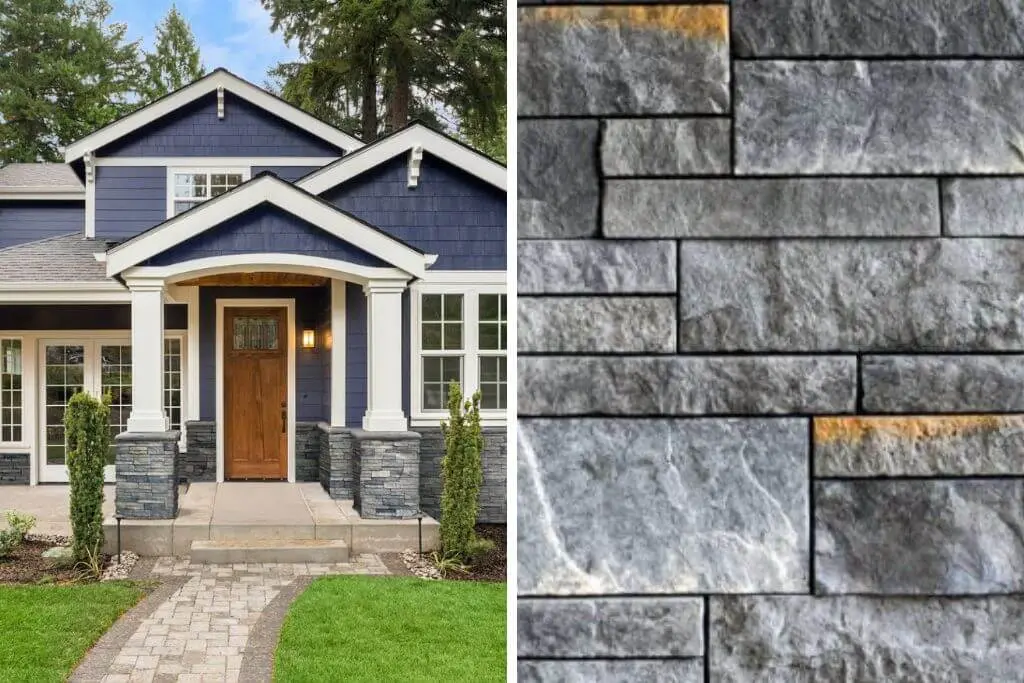
Stone veneer siding is a thin, manufactured layer that mimics natural stone. It is typically made from a blend of cement, aggregates, and pigments, then molded or cast into panels, slabs, or tiles that can be applied to walls, both interior and exterior. Unlike full‑thickness stone, which can weigh up to 180 lb/ft², modern veneer panels average 10–15 lb/ft², allowing them to be installed over standard wood or metal studs without extra structural reinforcement.
Why Homeowners Choose Stone Veneer in 2026
- Cost‑effective aesthetics: A stone look for 30‑40 % of the price of real stone.
- Lightweight & easy to handle: Reduces labor time and eliminates the need for heavy‑duty equipment.
- Durability and low maintenance: Resistant to cracking, fading, and weathering when properly sealed.
- Energy efficiency: Adds an extra insulating layer that can improve R‑value by 0.5–1.0, supporting green building standards.
- Design flexibility: Comes in a wide range of colors, textures, and finishes, from rustic fieldstone to sleek engineered stone.
Stone Veneer vs. Other Siding Options
When deciding between siding materials, compare the key performance metrics. According to the 2026 Home Siding Guide 2026 published by the National Association of Home Builders (NAHB), stone veneer ranks high on visual appeal and moderate on cost, while metal siding and aluminum siding lead in longevity and moisture resistance. Vinyl siding remains the most affordable but scores lower on durability and aesthetic prestige.
Table of Contents
- What Is Stone Veneer Siding?
- Why Homeowners Choose Stone Veneer in 2026
- Stone Veneer vs. Other Siding Options
- Key Considerations Before Installation
- 1. Substrate Compatibility
- 2. Moisture Management
- 3. Local Building Codes
- Step‑by‑Step Installation Guide
- Energy Efficiency and Environmental Impact
- Cost Breakdown and ROI
- Common Mistakes and How to Avoid Them
- Real‑World Case Study: A Mid‑Century Modern Renovation
- Frequently Asked Questions
- Is stone veneer suitable for humid climates?
- Can I paint stone veneer?
- How long does installation typically take?
- What maintenance is required?
- Choosing the Right Supplier
- Conclusion: Is Stone Veneer Siding Right for You?
| Material | Average Cost (per sq ft) | Life Expectancy | R‑Value Boost |
|---|---|---|---|
| Stone veneer | $7‑$12 | 30‑50 years | +0.5‑1.0 |
| Metal siding | $9‑$14 | 40‑60 years | +0.2‑0.5 |
| Aluminum siding | $8‑$13 | 30‑40 years | +0.3‑0.6 |
| Vinyl siding | $3‑$7 | 20‑30 years | +0.1‑0.3 |
Key Considerations Before Installation
1. Substrate Compatibility
Stone veneer adheres best to flat, stable surfaces. For wood framing, install a weather‑resistive barrier (WRB) and a ½‑inch rigid foam board to create a smooth substrate. Metal studs require a furring strip system to prevent flex.
2. Moisture Management
Improper moisture control can lead to mold behind the veneer. Use a breathable WRB such as Tyvek or a liquid‑applied membrane that complies with ASTM E2178. Seal all joints with polymer‑based caulk to keep water out.
3. Local Building Codes
Many jurisdictions reference the International Residential Code (IRC) 2023 edition for veneer installation. Verify fire‑rating requirements; some veneer products carry a Class A fire rating, suitable for most residential zones.
Step‑by‑Step Installation Guide
Below is a concise, actionable plan for DIY‑savvy homeowners. Professional installers should follow manufacturer‑specific instructions.
- Prepare the wall: Remove existing siding, repair any damaged sheathing, and install a WRB.
- Apply a bonding agent: Spread a thin layer of thin‑set mortar (type N) with a notched trowel.
- Lay the first course: Start at the bottom, ensuring a level line; use a laser level for precision.
- Cut pieces as needed: Use a wet saw with a diamond blade for clean cuts around windows and doors.
- Secure panels: Press each piece into the mortar, then back‑nail with corrosion‑resistant screws (minimum 1‑inch embedment).
- Joint treatment: Fill seams with polymer‑modified grout, then smooth with a trowel.
- Seal the surface: Apply a breathable, UV‑stable sealant to protect against moisture and staining.
- Finishing touches: Install trim (PVC or fiber‑cement) to cover expansion gaps and give a polished look.
Energy Efficiency and Environmental Impact
Beyond aesthetics, stone veneer can contribute to a home’s energy performance. The U.S. Department of Energy’s 2025 Energy Saver Report notes that adding a ½‑inch layer of cement‑based veneer, combined with insulated sheathing, reduces heat loss by up to 5 %. Moreover, many manufacturers now use recycled aggregates, making stone veneer a greener alternative to quarried stone.
Cost Breakdown and ROI
Assuming an average exterior surface of 2,000 sq ft, the material cost ranges from $14,000 to $24,000, while labor (if hiring a crew) adds $8,000‑$12,000. Homeowners who install the veneer themselves can save up to 40 % on labor. The Metal Siding 2026 guide reports a typical ROI of 70‑80 % for premium exterior upgrades, and stone veneer aligns closely with those figures when paired with proper insulation.
Common Mistakes and How to Avoid Them
- Skipping the WRB: Leads to water infiltration; always install a breathable barrier.
- Improper mortar mix: Too much sand weakens adhesion; follow manufacturer ratios (usually 1 part cement, 4 parts sand).
- Neglecting expansion joints: Stone expands with temperature; leave ¼‑inch gaps at corners.
- Using low‑quality sealant: Results in premature cracking; choose a silicone‑acrylic hybrid.
Real‑World Case Study: A Mid‑Century Modern Renovation
In March 2026, a 3,500‑sq‑ft home in Austin, Texas, replaced its aging vinyl siding with a custom stone veneer façade. The project, documented by the LP Smart Siding 2026 team, achieved a 12 % reduction in heating bills within the first year, thanks to the added thermal mass. Homeowners also reported a 25 % increase in curb appeal value based on a local real‑estate appraisal.
Frequently Asked Questions
Is stone veneer suitable for humid climates?
Yes, provided it is installed over a proper WRB and the joints are sealed. The veneer itself is non‑porous, but moisture can accumulate behind it if the wall system is not breathable.
Can I paint stone veneer?
While the product is designed to retain its natural color, some homeowners opt for a tinted sealant to enhance hue depth. Use only UV‑stable, breathable paints approved by the manufacturer.
How long does installation typically take?
For a 2,000‑sq‑ft exterior, a crew of three can complete the job in 7‑10 days, including surface preparation and sealing.
What maintenance is required?
Annual inspections for cracked joints and resealing of high‑traffic areas are sufficient. A pressure wash with a mild detergent every 3‑5 years keeps the surface looking fresh.
Choosing the Right Supplier
When selecting a veneer product, look for certifications such as ICC‑ES AC71 (Veneer) and ensure the manufacturer offers a warranty of at least 20 years. Popular brands in 2026 include StoneCraft, Vermont Stone, and EcoStone, many of which source local aggregates to reduce transportation emissions.
Conclusion: Is Stone Veneer Siding Right for You?
If you desire the grandeur of stone without the prohibitive cost, heavy labor, or structural concerns, stone veneer siding is a compelling option. It balances aesthetics, durability, and modest energy savings while remaining compatible with modern construction practices. Pair it with insulated sheathing, a high‑quality WRB, and professional sealing, and you’ll enjoy a resilient façade that stands the test of time and enhances your home’s market value.
Ready to start your exterior transformation? Explore more siding options and compare long‑term value in our Vinyl Siding Guide 2026 or dive deeper into material specifics with the Aluminum Siding 2026 article.