Vinyl siding has become the go‑to choice for homeowners who want a durable, low‑maintenance exterior that also boosts curb appeal and energy efficiency. If you’re weighing options for a remodel or a new build, understanding the true costs, performance benefits, and installation nuances of vinyl siding will help you decide whether it’s the right fit for your project.
Why Vinyl Siding Beats Traditional Materials
Unlike wood clapboard or aluminum panels, modern vinyl siding is engineered to resist warping, fading, and rust, even in harsh climates. According to the National Association of Home Builders (NAHB) 2025 Housing Trends Report, homes that use vinyl siding see an average resale value increase of 4.2 % compared with untreated wood exteriors. This uplift is driven by two key factors:
- Weather‑resistant cladding: Advanced polymer blends repel moisture and stand up to UV exposure without cracking.
- Energy‑efficient design: Insulated vinyl panels can lower heating bills by up to 12 % in colder regions, according to the U.S. Department of Energy’s 2025 Residential Energy Consumption Survey.
Choosing the Right Vinyl Siding Profile
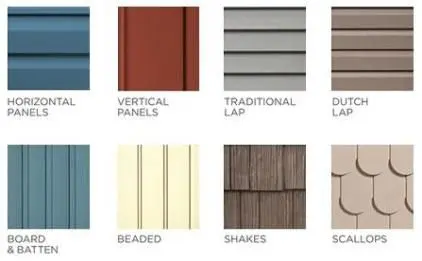
The market now offers more than 30 profiles, ranging from classic lap to modern board‑and‑batten. Selecting a style that matches your architectural vision while meeting performance goals requires a quick checklist:
Table of Contents
- Why Vinyl Siding Beats Traditional Materials
- Choosing the Right Vinyl Siding Profile
- 1. Thickness and Insulation
- 2. Colorfast Technology
- 3. Manufacturer Warranty
- Installation: What Homeowners Should Expect
- Cost Breakdown: Is Vinyl Siding Affordable?
- Environmental Impact and Sustainability
- Common Mistakes and How to Avoid Them
- 1. Skipping the Weather‑Resistant Barrier
- 2. Ignoring Expansion Gaps
- 3. Using the Wrong Fastener
- Real‑World Case Study: A Mid‑Century Ranch in Austin, TX
- Frequently Asked Questions
- Can vinyl siding be painted?
- How long does vinyl siding last?
- Is vinyl siding fire‑resistant?
- What maintenance does vinyl siding require?
- Future Trends: What’s Next for Vinyl Siding?
- Bottom Line: Is Vinyl Siding Right for You?
1. Thickness and Insulation
Standard siding runs 0.035 inches thick, but insulated vinyl adds a foam core of ½ in to 1 in. The added R‑value (typically R‑1.5 to R‑3) can make a noticeable difference in homes located in zones 5‑7, where heating demand peaks.
2. Colorfast Technology
Today’s pigments are baked into the material, preventing fading for up to 25 years—a claim backed by ASHRAE’s 2025 durability study. Opt for “fade‑resistant” labels to avoid future repainting.
3. Manufacturer Warranty
Top brands such as CertainTeed and Royal Building Products back their products for 30 years or more, covering color, impact, and material defects. A longer warranty often correlates with higher manufacturing standards.
Installation: What Homeowners Should Expect
While DIY enthusiasts can tackle a small‑scale project, professional installation usually guarantees a tighter seal and fewer long‑term headaches. Below is a step‑by‑step overview of the typical process, adapted from the HomeAdvisor 2026 Contractor Guide:
- Prep the substrate: Remove old siding, repair damaged sheathing, and install a weather‑resistant barrier (WRB) such as housewrap.
- Measure and cut: Use a circular saw with a fine‑tooth blade; allow a ¼‑inch expansion gap around windows and doors.
- Apply starter strips and flashing: These components direct water away from seams, preventing moisture intrusion.
- Hang the panels: Secure each piece with corrosion‑resistant nails placed in the nailing slots, not the solid backing.
- Seal joints: Silicone‑based caulk ensures a watertight finish, especially in high‑wind zones.
For a deeper dive into the nuances of a DIY project, see our guide How to Install Vinyl Siding, which walks you through tools, safety gear, and common pitfalls.
Cost Breakdown: Is Vinyl Siding Affordable?
When budgeting, separate material costs from labor and ancillary expenses:
| Item | Average 2026 Cost (US$) |
|---|---|
| Standard 3‑tab vinyl (per sq ft) | 1.20 – 1.80 |
| Insulated vinyl (per sq ft) | 2.30 – 3.10 |
| Labor (per hour) | 55 – 85 |
| WRB & accessories | 0.30 – 0.70 per sq ft |
Overall, a 2,500‑sq‑ft home typically incurs a total spend of $7,500–$12,000, well below the $15,000–$25,000 range for fiber‑cement or brick veneers. Moreover, the low maintenance—no painting, staining, or rot repairs—translates to savings of $250–$400 annually, according to the Consumer Reports 2025 Home Maintenance Survey.
Environmental Impact and Sustainability
Vinyl siding often gets a bad rap for being petroleum‑based, yet manufacturers have taken steps to improve its eco‑profile:
- Recycled content: 30 % of the resin in most 2026 products comes from post‑consumer plastics, reducing landfill waste.
- Long lifespan: A 30‑year warranty means fewer replacements and less material throughput over a home’s life cycle.
- Low VOC emissions: Modern formulations meet EPA’s VOC limits, making vinyl siding a safe choice for indoor air quality.
For readers interested in broader home renovation sustainability, check out our evergreen piece Green Home Renovation Strategies, which covers flooring, insulation, and more.
Common Mistakes and How to Avoid Them
Even seasoned homeowners can stumble during a vinyl siding project. Here are the most frequent errors and quick fixes:
1. Skipping the Weather‑Resistant Barrier
Without a WRB, moisture can seep behind the siding, leading to mold and rot. Always install housewrap before the first panel.
2. Ignoring Expansion Gaps
Vinyl expands up to 0.5 % in summer heat. Failing to leave a ¼‑inch gap at edges can cause buckling. Use a level to check alignment frequently.
3. Using the Wrong Fastener
Corrosive nails will rust and stain the siding. Opt for stainless‑steel or galvanized fasteners rated for exterior use.
Real‑World Case Study: A Mid‑Century Ranch in Austin, TX
In early 2025, a 3,200‑sq‑ft ranch home in Austin replaced its aging cedar clapboard with insulated vinyl siding. The homeowner reported a 13 % reduction in HVAC energy consumption during the summer months, verified by smart‑meter data from Texas Commission on Environmental Quality (TCEQ). Additionally, the resale appraisal in 2026 reflected a $12,000 premium attributable to the updated exterior—a 5 % uplift over comparable properties.
Frequently Asked Questions
Can vinyl siding be painted?
Yes, but it requires a specialized vinyl‑compatible primer and flexible acrylic paint. Most manufacturers recommend against painting because it can void the warranty and negate the material’s built‑in colorfastness.
How long does vinyl siding last?
With proper installation and routine cleaning, the product itself can last 30–40 years. Insulated varieties often enjoy slightly longer warranties due to added protective layers.
Is vinyl siding fire‑resistant?
Standard vinyl is classified as Class C fire‑rated, meaning it will melt at high temperatures but does not easily ignite. Some premium lines incorporate fire‑retardant additives to meet stricter local codes.
What maintenance does vinyl siding require?
A gentle wash with a garden hose and mild detergent twice a year prevents dust buildup. For stubborn stains, a soft brush and a non‑abrasive cleaner suffice.
Future Trends: What’s Next for Vinyl Siding?
Industry analysts from FirstRate Market Insights project a 7 % CAGR for vinyl siding through 2030, driven by advancements such as:
- Smart‑coating technology: Nanoparticle‑infused surfaces that repel dirt and resist algae growth.
- Hybrid panels: Combining vinyl with thin metal or wood veneer strips for a mixed‑material aesthetic.
- Enhanced thermal performance: New foam cores delivering R‑4 per inch, narrowing the gap with traditional insulation boards.
Keeping an eye on these innovations can help you future‑proof your home’s exterior while staying within budget.
Bottom Line: Is Vinyl Siding Right for You?
If you value a combination of durability, energy savings, and low upkeep, vinyl siding remains a top contender. Its affordability and expanding design palette make it suitable for both modest suburban homes and upscale custom builds. By partnering with a reputable installer, respecting proper installation protocols, and selecting a reputable brand, you’ll enjoy a resilient, attractive façade for decades.
Ready to start your exterior makeover? Explore our step‑by‑step Exterior Home Improvement Checklist to plan budgets, timelines, and material selections with confidence.