Choosing the right home siding is the single most effective way to boost curb appeal, improve energy efficiency, and protect your house from weather‑related damage, and homeowners looking to upgrade in 2026 are demanding options that combine durability with low‑maintenance costs. By understanding material performance, installation nuances, and long‑term value, you can select a siding system that pays off for decades, just as the Hardie Plank Siding 2026: Ultimate Guide to Costs, Installation & Long‑Term Benefits explains for fiber‑cement enthusiasts.
Why Home Siding Matters: Core Benefits Explained
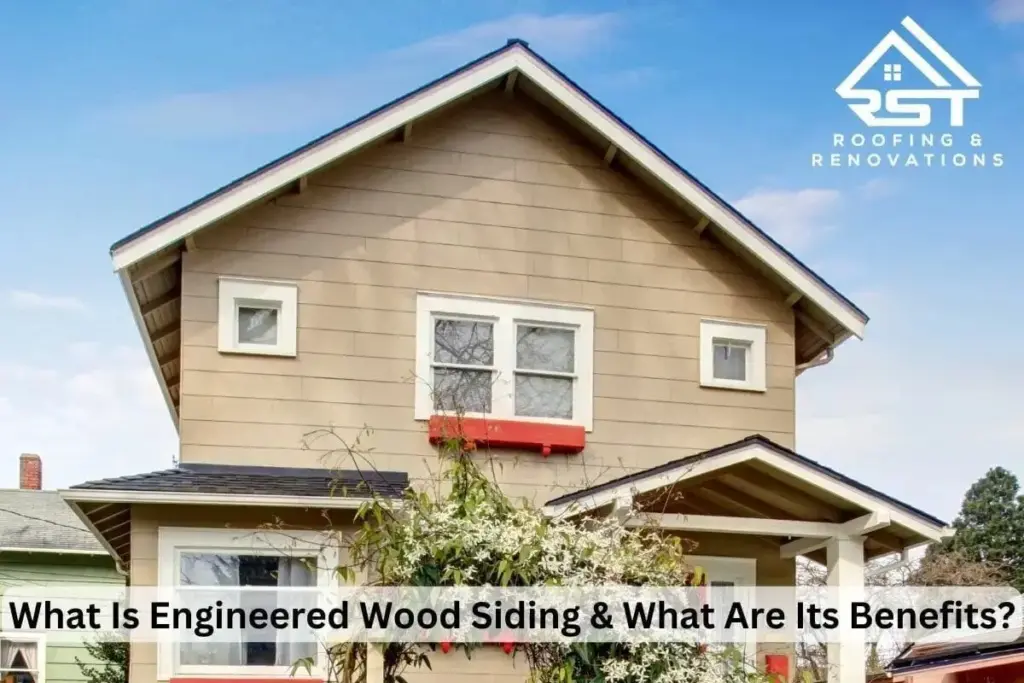
Modern exterior cladding does more than hide structural walls; it acts as a barrier against moisture, wind, and pests while contributing to a home’s overall energy profile. According to the 2025 National Association of Home Builders (NAHB) “Housing Outlook” report, homes with high‑performance siding see an average 7 % reduction in heating and cooling bills. Moreover, a well‑chosen siding material can increase resale value by up to 5 % in competitive markets such as the Sun Belt and Pacific Northwest.
Boosting Curb Appeal
- Color retention: UV‑stable pigments keep your home looking fresh for 15+ years.
- Texture options: From smooth vinyl to rustic wood‑grain Hardie panels, texture influences perceived quality.
- Design flexibility: Siding can be paired with architectural trim, shutters, and accent stones for a customized look.
Energy Efficiency Gains
Siding works hand‑in‑hand with insulation. The latest “Energy Star Home Exterior” study (U.S. Department of Energy, 2026) shows that homes with insulated vinyl siding achieve R‑values up to R‑2.5, while fiber‑cement and engineered wood options can support additional rigid foam layers, pushing total wall R‑values beyond R‑30 in colder climates.
Table of Contents
- Why Home Siding Matters: Core Benefits Explained
- Boosting Curb Appeal
- Energy Efficiency Gains
- Popular Siding Material Options in 2026
- Vinyl Siding
- Fiber‑Cement Siding (Hardie Plank, James Hardie)
- Engineered Wood Siding
- Metal Siding
- Installation Essentials: From Prep to Finish
- 1. Thorough Wall Inspection and Repair
- 2. Accurate Measurements and Layout
- 3. Proper Fastening Techniques
- 4. Weatherproof Sealing
- 5. Finishing Touches
- Maintenance Tips to Extend Siding Lifespan
- Common Mistakes Homeowners Make (and How to Avoid Them)
- Real‑World Case Study: A Mid‑Size Suburban Home’s Siding Overhaul
- Financial Considerations: Cost vs. Value
- FAQ: Quick Answers to Common Queries
- What is the best siding for a humid climate?
- Can I install siding myself?
- How often should siding be inspected?
- Does siding affect home insurance?
- Future Trends: What’s Next for Home Siding?
Popular Siding Material Options in 2026
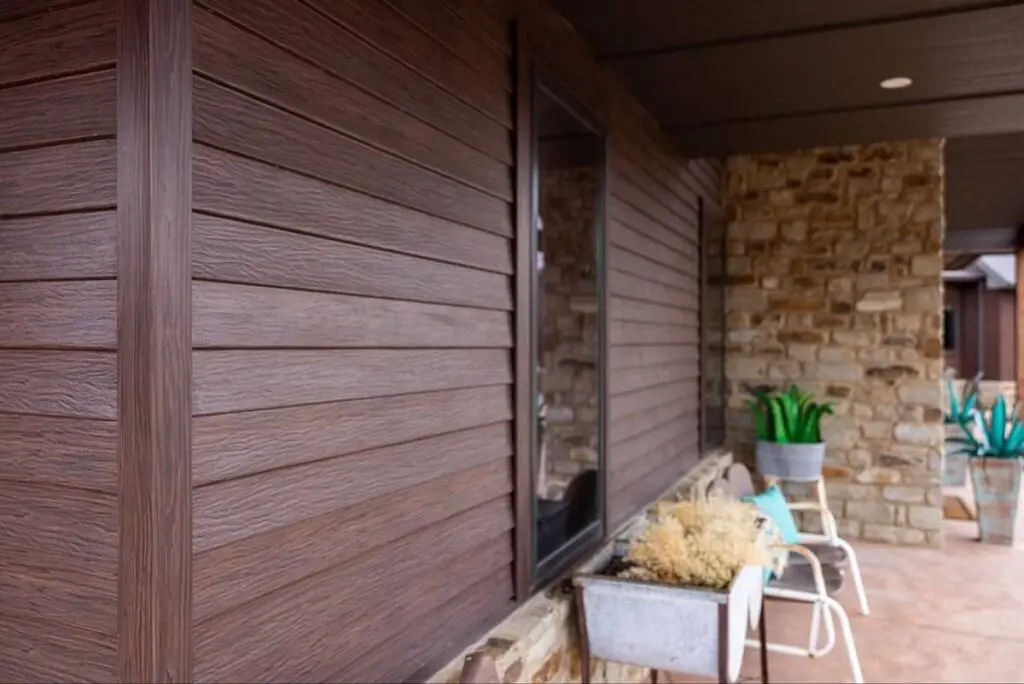
Choosing the right material hinges on climate, budget, and aesthetic goals. Below is a snapshot of the most common options, each evaluated on durability, maintenance, and cost.
Vinyl Siding
Vinyl remains the market leader, accounting for 42 % of new siding installations in the U.S., according to the 2025 Home Improvement Market Survey by Builder Magazine. Its benefits include:
- Low upfront cost: $3‑$5 per square foot installed.
- Minimal maintenance: No painting required; occasional power washing suffices.
- Improved energy performance when paired with insulated backings.
For a deep dive on costs and installation tips, see the Vinyl Siding Guide 2026.
Fiber‑Cement Siding (Hardie Plank, James Hardie)
Fiber‑cement offers a premium balance of wood‑like aesthetics and concrete‑grade durability. The 2026 “Hardie Performance” report from James Hardie Industries notes a 30‑year warranty against rot, impact, and fire. Key points:
- Cost: $7‑$10 per square foot installed, reflecting higher material and labor expenses.
- Longevity: Expected lifespan of 40‑50 years with proper sealing.
- Resistance: Excellent against termites, hail, and UV degradation.
Readers interested in a side‑by‑side comparison can consult the James Hardie Siding 2026: Complete Guide for a detailed cost breakdown.
Engineered Wood Siding
Engineered wood blends real wood fibers with resin binders, delivering a natural look at a lower price point than solid wood. According to the 2025 Wood Products Council, engineered wood siding costs $5‑$7 per square foot and typically carries a 15‑year warranty against delamination.
Metal Siding
Aluminum and steel panels have seen a resurgence, especially in modernist architecture. The 2026 “Metal Cladding Trends” report from the Steel Manufacturers Association highlights a 20 % increase in residential metal siding adoption, driven by its recyclability and fire resistance. However, dent resistance and thermal expansion require skilled installers.
Installation Essentials: From Prep to Finish
Even the best siding material can underperform if installed incorrectly. Below is a step‑by‑step guide that aligns with the International Residential Code (IRC) 2023 edition.
1. Thorough Wall Inspection and Repair
- Check for moisture intrusion, rot, or pest damage.
- Replace damaged sheathing and apply a water‑resistive barrier (WRB) such as Housewrap.
- Seal all seams with compatible flashing tape.
2. Accurate Measurements and Layout
Measure the exterior surface in square feet, adding a 5 % waste factor for cuts and mistakes. Use a laser level to ensure vertical studs are plumb; misaligned studs can cause siding “bowing” over time.
3. Proper Fastening Techniques
Fasteners must match the siding material’s specifications. For fiber‑cement, 1‑¼” galvanized screws with a minimum 1‑inch embed are required, while vinyl typically uses 1‑inch nails with a nail gun set to a shallow depth to avoid crushing the panels.
4. Weatherproof Sealing
Apply a high‑quality sealant at all window and door perimeters. The 2025 “Exterior Sealant Performance” study by the American Society of Testing and Materials (ASTM) confirms that silicone‑based sealants retain elasticity for at least 25 years, reducing the risk of cracks in extreme temperature swings.
5. Finishing Touches
Install trim, soffits, and fascia boards last, ensuring they are painted or pre‑finished to match the siding hue. This final layer protects edges from wind‑driven rain and adds a polished look.
Maintenance Tips to Extend Siding Lifespan
Regular upkeep can add up to 10 % more years to a siding system’s service life. Here are proven strategies:
- Annual Cleaning: Use a garden hose with a low‑pressure nozzle; for stubborn stains, a mild detergent works well.
- Inspect for Damage: After severe weather, check for dents, cracks, or loose panels and repair within 48 hours to prevent water ingress.
- Repaint When Needed: Vinyl rarely needs repainting, but fiber‑cement and engineered wood benefit from a fresh coat every 8‑10 years.
- Gutter Compatibility: Ensure gutters are properly aligned to direct water away from siding seams. Our Gutter Leaf Guard Guide 2026 offers practical advice on keeping gutters clear and protecting siding.
Common Mistakes Homeowners Make (and How to Avoid Them)
- Skipping the WRB: Skipping housewrap or felt paper dramatically increases the risk of moisture buildup behind the siding.
- Using the Wrong Fastener: Over‑driving nails into vinyl can cause panel warping; under‑driving screws in fiber‑cement reduces structural integrity.
- Ignoring Expansion Gaps: All siding materials expand and contract with temperature changes. Leaving a ¼‑inch gap at each panel end prevents buckling.
- Choosing Color Only on Aesthetics: Light‑colored siding reflects solar heat, which can reduce cooling loads by up to 5 % in hot climates (Energy Star, 2026).
Real‑World Case Study: A Mid‑Size Suburban Home’s Siding Overhaul
In March 2026, a 2,300‑sq‑ft ranch in Austin, TX replaced its aging vinyl siding with James Hardie fiber‑cement panels. The homeowner’s primary goals were increased durability against hail and improved curb appeal for resale. The project, managed by a certified contractor, followed these steps:
- Pre‑installation moisture testing revealed 12 % hidden water intrusion; affected sheathing was replaced.
- Housewrap (Tyvek®) was installed, followed by fiber‑cement panels secured with 1‑¼” corrosion‑resistant screws.
- Custom trim and accent boards were painted in a complementary charcoal hue.
Post‑completion, the homeowner reported a 6 % reduction in HVAC energy consumption and received three offers within two weeks of listing, each exceeding the asking price by 4‑6 %.
Financial Considerations: Cost vs. Value
Understanding the total cost of ownership (TCO) helps you weigh upfront expenses against long‑term savings. The 2025 “Home Improvement ROI” report from Remodeling Magazine shows the following average annual return percentages:
| Siding Type | Initial Cost (per ft²) | Average Lifespan | Annual ROI |
|---|---|---|---|
| Vinyl | $4 | 20‑30 years | 5 % |
| Fiber‑Cement (Hardie) | $9 | 40‑50 years | 7 % |
| Engineered Wood | $6 | 25‑30 years | 6 % |
| Metal | $10 | 30‑40 years | 6.5 % |
While fiber‑cement carries the highest upfront cost, its extended lifespan and superior resistance to fire and pests translate into the greatest long‑term value, especially in regions prone to extreme weather.
FAQ: Quick Answers to Common Queries
What is the best siding for a humid climate?
Fiber‑cement and vinyl with a moisture‑resistant WRB are top choices, as they resist rot and mold growth better than wood‑based products.
Can I install siding myself?
DIY installation is feasible for vinyl due to its lightweight nature, but for fiber‑cement or metal, professional installation is recommended to meet warranty requirements and ensure proper sealing.
How often should siding be inspected?
Schedule a visual inspection at least twice a year—once after winter and once after summer—to catch any damage early.
Does siding affect home insurance?
Yes. Many insurers offer discounts for fire‑resistant materials like fiber‑cement or metal, potentially lowering premiums by 5‑10 %.
Future Trends: What’s Next for Home Siding?
Looking ahead, 2027 will likely see increased adoption of “smart siding” technologies. Integrated sensors capable of monitoring moisture levels, temperature differentials, and impact damage are already being piloted by several manufacturers. Moreover, sustainable sourcing is driving a rise in recycled‑content vinyl and bio‑based fiber‑cement blends, aligning with the growing consumer demand for eco‑friendly building materials.
Whether you prioritize budget, durability, or cutting‑edge performance, the right home siding choice today sets the stage for a resilient, energy‑efficient, and visually stunning house for years to come.