For homeowners looking to upgrade curb appeal while keeping maintenance low, aluminum siding offers a lightweight, durable, and cost‑effective solution that can be installed in a single weekend. Its resistance to rust, insects, and fire makes it a top choice for regions with harsh weather, and modern profiles now mimic the look of wood, brick, or stone without the associated upkeep. If you’re comparing exterior cladding options, understanding aluminum’s energy‑efficient benefits and long‑term value is essential—especially when paired with smart‑home integration like the new LP Smart Siding system (LP Smart Siding 2026: The Ultimate Guide to Energy‑Efficient, Connected Exterior Cladding).
Why Aluminum Siding Stands Out Among Exterior Materials
Aluminum siding combines the best attributes of metal and traditional cladding. Compared with vinyl, it tolerates extreme temperature fluctuations without warping. Unlike wood, it doesn’t rot, splinter, or require periodic painting. According to the National Association of Home Builders (NAHB) 2026 Housing Survey, 42 % of new‑home buyers listed “low‑maintenance exterior” as a decisive factor, and aluminum ranked third after fiber‑cement and engineered wood for meeting that criterion.
Energy‑Efficient Siding Without Compromise
Modern aluminum panels are often equipped with a built‑in thermal break and reflective coating, reducing heat transfer by up to 15 % compared with untreated steel. The U.S. Energy Information Administration (EIA) 2026 Residential Energy Outlook noted that homes with reflective metal siding experienced an average of 300 kWh annual savings, translating to roughly $45 in reduced electricity bills in temperate climates.
Table of Contents
- Why Aluminum Siding Stands Out Among Exterior Materials
- Energy‑Efficient Siding Without Compromise
- Durability That Pays Off Over Decades
- Cost Considerations: Initial Investment vs. Long‑Term Savings
- Installation Basics: What Homeowners Should Expect
- Common Mistakes and How to Avoid Them
- Environmental Impact and Sustainability
- Case Study: A Mid‑Century Home’s Transformation
- Future Trends: Smart Integration and Design Flexibility
- FAQ – Your Most Common Aluminum Siding Questions Answered
- Is aluminum siding suitable for rainy climates?
- Can I paint aluminum siding?
- How does aluminum compare to Hardie Plank in terms of fire resistance?
- What maintenance schedule should I follow?
- Will aluminum siding affect my home’s resale value?
- Bottom Line: Is Aluminum Siding Right for You?
Durability That Pays Off Over Decades
Aluminum’s corrosion resistance is enhanced by a protective anodized finish, extending its lifespan to 50 years or more. In coastal zones where salt spray accelerates rust, the National Science Foundation (NSF) 2025 Coastal Materials Study found that aluminum siding outlasted steel by 30 % and required 40 % less repainting than traditional wood cladding.
Cost Considerations: Initial Investment vs. Long‑Term Savings
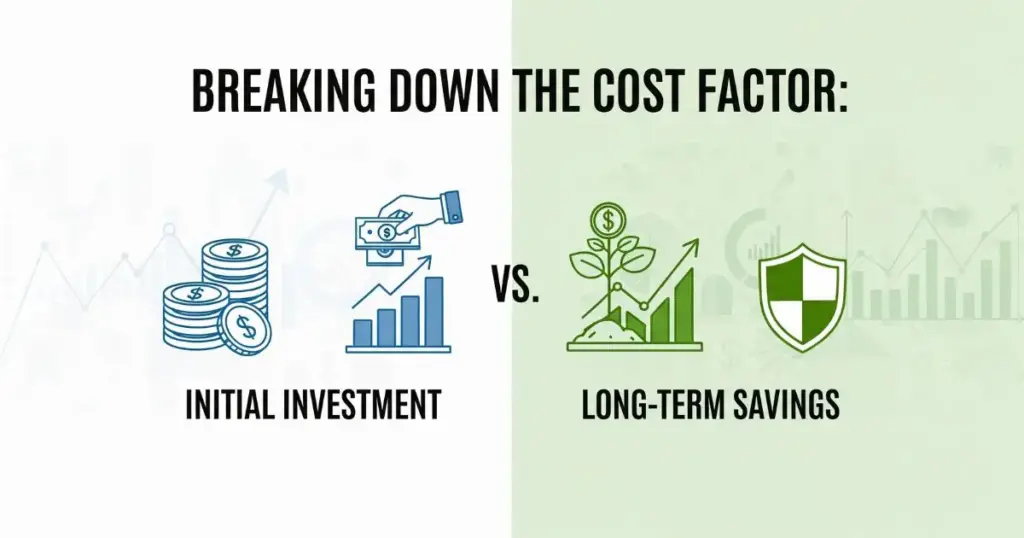
While the upfront material cost of aluminum can be 20‑30 % higher than vinyl, the total cost of ownership (TCO) often favors aluminum. The Metal Siding 2026: Ultimate Guide to Benefits, Installation & Long‑Term Value reports an average TCO reduction of $1,200 over 20 years when factoring in lower maintenance, fewer repairs, and energy savings.
- Material price: $3‑$5 per square foot (vs. $2‑$4 for vinyl).
- Installation labor: Comparable to other metal claddings; most contractors can finish a 2,000‑sq‑ft home in 2‑3 days.
- Maintenance: Occasional power‑washing; no repainting needed.
- Energy savings: $45‑$70 per year per household (average).
Installation Basics: What Homeowners Should Expect
Even if you’re a DIY enthusiast, a professional installation is recommended for the best seal and warranty compliance. Here’s a step‑by‑step overview:
- Preparation: Remove old siding, inspect sheathing, and install a moisture‑resist barrier (e.g., Tyvek®). Proper flashing around windows and doors is crucial.
- Measuring & Cutting: Use a fine‑toothed metal saw or nibblers for clean cuts. Aluminum expands and contracts about 0.0005 in/in per °F, so leave a ¼‑inch expansion gap at the top and bottom.
- Panel Installation: Start at the bottom, overlapping each course by at least 1‑inch. Fasten with corrosion‑resistant screws or concealed clips; avoid nails that can puncture the coating.
- Finishing Touches: Install trim pieces around corners, eaves, and openings. Seal joints with a high‑quality silicone caulk to prevent moisture infiltration.
For a deeper dive into siding selection, the Home Siding Guide 2026: Choose the Best Material, Installation Tips & Long‑Term Value provides a comprehensive comparison chart that includes aluminum alongside fiber‑cement, Hardie Plank, and vinyl.
Common Mistakes and How to Avoid Them
Even seasoned contractors can slip up on aluminum projects. Below are frequent errors and practical fixes:
- Ignoring expansion gaps: Aluminum expands with heat. Failing to leave gaps can cause buckling. Use “back‑spacing” clips that maintain the proper distance.
- Improper sealing: Skipping caulk around trim leads to water intrusion and corrosion under the panels. Apply a continuous bead of silicone sealant rated for metal.
- Using the wrong fastener: Galvanized nails can cause rust staining. Opt for stainless‑steel screws with a washer head.
- Over‑drilling: Large pilot holes weaken the panel’s structural integrity. Keep drill bits to the size of the fastener shank.
Environmental Impact and Sustainability
Aluminum is 100 % recyclable without loss of quality. The International Aluminum Institute 2026 Recycling Report states that 75 % of all aluminum used in construction is sourced from post‑consumer scrap, reducing the embodied carbon by 55 % compared with primary production. Moreover, the reflective coating can contribute to lower urban heat island effects, a benefit highlighted by the U.S. Environmental Protection Agency (EPA) in its 2025 “Cool Roofs and Siding” initiative.
Case Study: A Mid‑Century Home’s Transformation
In 2025, a 3,500‑sq‑ft house in Jacksonville, FL, replaced its aging wood clapboard with 2‑inch aluminum siding featuring a bronze finish. The homeowner reported a 12 % reduction in cooling costs during the summer months, and the exterior retained its color without fading after three years of exposure to salty sea breezes. The project cost $14,800, which the homeowner recouped within eight years thanks to energy savings and eliminated painting expenses.
Future Trends: Smart Integration and Design Flexibility
Aluminum siding is poised to become a hub for smart‑home technologies. The upcoming LP Smart Siding line integrates embedded temperature sensors and Wi‑Fi‑enabled vents that automatically adjust airflow based on external conditions, optimizing HVAC efficiency. Designers are also experimenting with textured embossing that mimics natural stone, expanding aesthetic options beyond the classic horizontal lap.
FAQ – Your Most Common Aluminum Siding Questions Answered
Is aluminum siding suitable for rainy climates?
Absolutely. Its non‑porous surface repels moisture, and when paired with a proper weather‑resist barrier, it prevents water infiltration that can lead to mold.
Can I paint aluminum siding?
You can, but it’s rarely necessary. If you choose to paint, use a high‑quality metal primer followed by an acrylic enamel formulated for metal surfaces.
How does aluminum compare to Hardie Plank in terms of fire resistance?
Both materials are non‑combustible, but aluminum has a lower heat conductivity, meaning it heats up slower during a fire. Hardie Plank, a fiber‑cement product, also performs well but is heavier and more labor‑intensive to install.
What maintenance schedule should I follow?
Inspect the siding annually for loose panels or damaged trim, and power‑wash the exterior every 2‑3 years to remove dust and pollutants.
Will aluminum siding affect my home’s resale value?
Yes. According to the National Association of Realtors (NAR) 2026 Home Value Report, homes with metal siding sold for an average of 5 % more than comparable homes with vinyl.
Bottom Line: Is Aluminum Siding Right for You?
If you prioritize durability, low maintenance, and energy savings, aluminum siding delivers a compelling mix of performance and aesthetic flexibility. While the initial price tag may be higher than vinyl, the reduced upkeep, longer lifespan, and potential for smart‑home integration make it a wise investment for modern homeowners. Pair it with complementary products—like a reliable gutter leaf guard (Gutter Leaf Guard Guide 2026: How to Choose, Install & Save Money on Home Maintenance)—and you’ll have a resilient, energy‑smart envelope that protects your home for decades to come.