Homeowners looking to keep their roofs free from clogged rain gutters can solve the problem instantly with a high‑quality gutter leaf guard, a barrier that stops leaves, twigs and other debris while allowing water to flow unhindered. By installing this simple yet effective rain gutter protection, you eliminate costly roof leaks, reduce maintenance time, and protect the structural integrity of your home.
What Exactly Is a Gutter Leaf Guard?
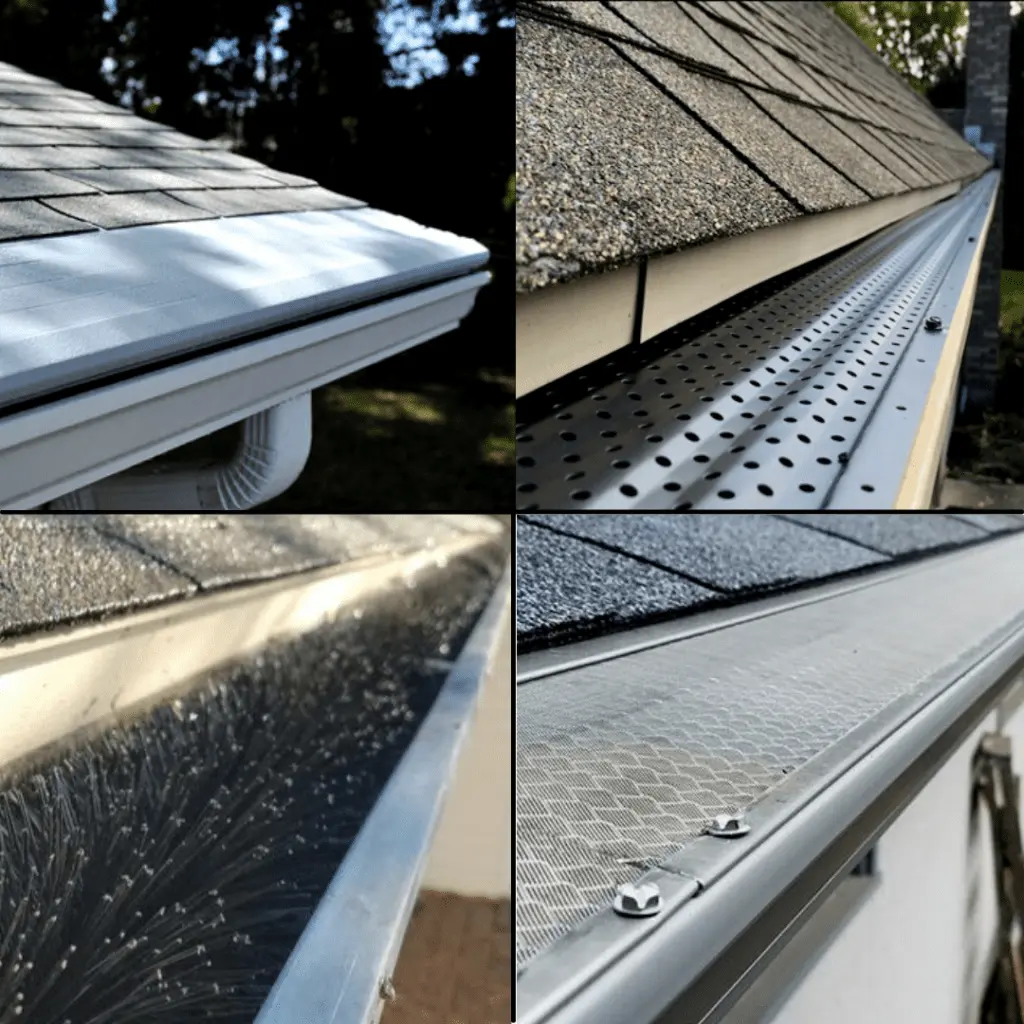
A gutter leaf guard—also called a debris blocker, gutter screen, or leaf guard system—is a device that sits on top of or inside a rain gutter to prevent organic material from entering while still channeling rainwater into the drainage system. Modern designs use fine mesh, surface‑tension technology, or reverse‑curve channels to achieve this dual purpose. According to the U.S. Natural Resources Conservation Service (2025), properly installed leaf guards can reduce gutter cleaning frequency by up to 90 %.
Why Every Homeowner Should Consider Gutter Protection
- Prevent Water Damage: Clogged gutters force water onto the roof deck and foundation, leading to rot, mold, and basement flooding.
- Extend Roof Lifespan: By keeping gutters clear, leaf guards reduce the risk of ice dams in colder climates and lessen the wear on roofing materials.
- Save Time and Money: Professional cleaning services average $150 – $250 per visit in 2026; a one‑time investment in a leaf guard often pays for itself within two to three years.
- Improve Curb Appeal: A clean, well‑maintained drainage system complements exterior finishes such as Hardie Plank siding, which offers long‑term durability when paired with effective water management.
Types of Gutter Leaf Guard Systems
1. Mesh Screens
Fine stainless‑steel or aluminum mesh filters sit inside the gutter, catching debris while letting water pass through the tiny openings. They are the most popular choice for homeowners in the Pacific Northwest, where heavy foliage is common.
Table of Contents
- What Exactly Is a Gutter Leaf Guard?
- Why Every Homeowner Should Consider Gutter Protection
- Types of Gutter Leaf Guard Systems
- 1. Mesh Screens
- 2. Surface‑Tension (Micro‑Mesh) Guards
- 3. Reverse‑Curve (Funnel) Designs
- 4. Bottle‑Brush Inserts
- 5. Foam Inserts
- How to Choose the Right Leaf Guard for Your Home
- Step‑by‑Step Installation Guide (DIY or Professional)
- Materials Needed
- Installation Process
- Maintenance Tips to Extend the Life of Your Leaf Guard
- Cost Overview and Return on Investment (2026 Data)
- Common Mistakes and How to Avoid Them
- Real‑World Case Study: A Texas Homeowner’s Experience
- Frequently Asked Questions
- Do gutter leaf guards eliminate the need for regular cleaning?
- Can I install a leaf guard on an existing gutter system?
- Are leaf guards worth the cost in low‑rainfall areas?
- What is the best material for coastal homes?
- Do leaf guards affect the pitch of water flow?
- Bottom Line: Protect Your Home with the Right Gutter Leaf Guard
2. Surface‑Tension (Micro‑Mesh) Guards
These guards use a smooth, low‑friction surface that forces water to cling and flow into the gutter while larger particles roll off. Brands like GutterGuard Pro claim a 99 % debris rejection rate based on internal testing (2025).
3. Reverse‑Curve (Funnel) Designs
Water follows a curved path over a solid surface and is directed into a narrow throat that blocks debris. This style works best on homes with steep roof pitches and high rain intensity, typical of the southeastern United States.
4. Bottle‑Brush Inserts
Flexible brush‑like tubes are placed inside the gutter, acting like a filter that captures leaves while allowing water to flow around the bristles. They are inexpensive but require periodic replacement.
5. Foam Inserts
Rigid foam blocks fit snugly inside the gutter, creating a barrier that traps debris. While cheap, they can degrade under UV exposure, making them less suitable for sunny climates.
How to Choose the Right Leaf Guard for Your Home
Choosing the optimal gutter leaf guard depends on several variables:
- Roof Pitch and Architecture: Low‑slope roofs benefit from mesh or micro‑mesh guards, while steep roofs may require reverse‑curve models.
- Climate Conditions: Areas with heavy rainfall (e.g., Gulf Coast) need high‑flow capacity; arid regions may prioritize debris filtration.
- Material Compatibility: Aluminum guards pair well with aluminum siding, whereas stainless steel meshes complement fiber‑cement cladding like James Hardie siding for added corrosion resistance.
- Budget and Maintenance Preference: Foam inserts are budget‑friendly but need replacement every 3–5 years; mesh screens have higher upfront costs but last 10‑15 years.
Step‑by‑Step Installation Guide (DIY or Professional)
Materials Needed
- Chosen leaf guard system
- Measuring tape, ladder, and safety harness
- Scissors or tin snips (for mesh)
- Silicone sealant (for waterproofing seams)
- Gloves and safety glasses
Installation Process
- Inspect and Clean Gutters: Remove existing debris and ensure the gutter is properly aligned.
- Measure Length: Determine the exact length of each gutter run to cut the guard to size.
- Attach the Guard:
- For mesh screens, slide the trimmed piece into the gutter and secure with clips or rivets.
- For surface‑tension guards, snap the unit onto the gutter lip, following the manufacturer’s click‑fit system.
- Seal Joints: Apply silicone sealant where sections meet to prevent water seepage.
- Test Flow: Use a garden hose to simulate heavy rain and observe water movement; adjust if pooling occurs.
Professional installation typically adds $0.75 – $1.20 per square foot, according to the HomeAdvisor 2026 pricing guide. Homeowners comfortable with ladders can complete the job for under $300 on a standard 1,200‑square‑foot house.
Maintenance Tips to Extend the Life of Your Leaf Guard
- Inspect the guard after major storms for displaced sections.
- Clean the underside of the guard annually with a garden hose; avoid high‑pressure washers that could damage fine mesh.
- Check for corrosion on metal components, especially in coastal areas where salt air accelerates rust.
- Replace worn brush or foam inserts every 3‑5 years to maintain optimal performance.
Cost Overview and Return on Investment (2026 Data)
Based on the Building Performance Institute’s 2025 study, average costs for gutter leaf guards in the United States are:
| Guard Type | Material | Average Cost (per linear foot) | Estimated Lifespan |
|---|---|---|---|
| Mesh Screen | Stainless Steel | $2.50 – $4.00 | 12‑15 years |
| Surface‑Tension | Aluminum | $3.00 – $5.00 | 10‑12 years |
| Reverse‑Curve | Aluminum/Plastic | $4.50 – $7.00 | 15‑20 years |
| Bottle‑Brush | Vinyl | $1.80 – $2.50 | 3‑5 years |
| Foam Insert | Polyurethane | $1.20 – $2.00 | 5‑7 years |
When paired with durable exterior finishes—such as Vinyl siding, which already reduces moisture infiltration—the ROI of a leaf guard can exceed 120 % over a 10‑year period, primarily by avoiding water‑related repairs.
Common Mistakes and How to Avoid Them
- Choosing the Wrong Guard for Roof Pitch: Installing a reverse‑curve guard on a shallow roof can cause water to spill over the edge.
- Improper Sealing: Gaps at seams allow water to bypass the guard, negating its purpose.
- Neglecting Compatibility with Siding: Metal guards placed near aluminum siding may cause galvanic corrosion; opting for stainless steel or matching materials prevents this issue.
- Skipping Professional Inspection: A missed misalignment can lead to pooling, which damages both gutters and the roof deck.
Real‑World Case Study: A Texas Homeowner’s Experience
John Martinez, a 45‑year‑old homeowner in Austin, TX, replaced his traditional gutters with a combination of stainless‑steel mesh and a surface‑tension guard in March 2026. After a severe spring storm that dropped 4.8 inches of rain in 24 hours, Martinez reported zero water overflow and no leaf buildup. The initial investment of $1,200 saved him an estimated $350 in cleaning fees over the next two years. Moreover, his new gutter system worked seamlessly with his recently installed James Hardie siding, preventing moisture seepage behind the cladding.
Frequently Asked Questions
Do gutter leaf guards eliminate the need for regular cleaning?
They dramatically reduce the frequency but do not make cleaning completely unnecessary. A quick rinse twice a year is still advisable, especially after major leaf‑fall events.
Can I install a leaf guard on an existing gutter system?
Yes, most guards are retrofitted onto standard K‑style or half‑round gutters without removing the existing hardware.
Are leaf guards worth the cost in low‑rainfall areas?
Even in drier climates, debris accumulation can cause blockages. A mesh guard typically pays for itself within 1–2 years through reduced cleaning costs.
What is the best material for coastal homes?
Stainless‑steel mesh offers superior corrosion resistance against salty air and is recommended for homes within 50 miles of the shoreline.
Do leaf guards affect the pitch of water flow?
High‑flow designs, such as reverse‑curve guards, are engineered to maintain or even enhance water velocity, ensuring efficient drainage.
Bottom Line: Protect Your Home with the Right Gutter Leaf Guard
Investing in a well‑chosen gutter leaf guard is a proactive step toward preserving your roof, foundation, and overall property value. By evaluating climate, roof pitch, and material compatibility—and by following a reliable installation routine—you can enjoy a cleaner home exterior, fewer emergency repairs, and a longer‑lasting siding system, whether you opt for Hardie Plank, James Hardie, or Vinyl options.
Ready to upgrade your rainwater management? Start by measuring your gutters, select a guard that matches your home’s architecture, and either tackle the DIY installation or consult a certified professional. The peace of mind that comes from a dry, well‑maintained roof is priceless.