Homeowners looking to upgrade their exterior cladding often turn to Hardie Plank siding for its blend of durability, low‑maintenance appeal, and modern aesthetic, and they want to know exactly how much it will cost, how it’s installed, and what long‑term benefits it delivers. In 2026 the market still favors this fiber‑cement product for its superior weather resistance and energy‑efficiency, making it a top choice for both new builds and remodels. For a deeper dive into pricing trends, see our James Hardie Siding 2026 guide which breaks down regional cost variations.
What Makes Hardie Plank Siding the Go‑To Solution?
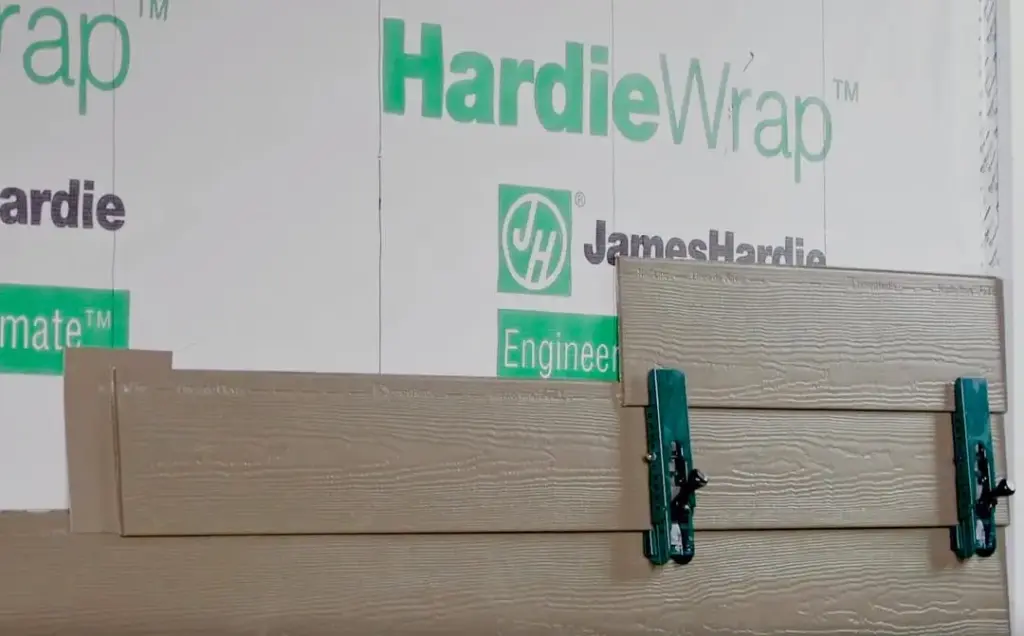
Hardie Plank siding is engineered from a blend of cellulose fibers, sand, and Portland cement, creating a material that resists rot, pests, and fire. Unlike traditional wood lap siding, it maintains its shape and color for decades without frequent repainting. The product’s fiber cement technology also offers excellent thermal mass, helping homes stay cooler in summer and retain heat in winter, which translates into measurable energy savings according to the 2025 Residential Energy Survey by the U.S. Department of Energy.
Key Performance Highlights (2026)
- Fire rating: Class A (non‑combustible)
- Impact resistance: Up to 300 psi, surpassing vinyl and engineered wood
- Warranty: 30‑year limited warranty covering fading, cracking, and delamination
- Environmental footprint: 60 % recycled content, low VOC emissions
Real‑World Case Study: A Mid‑Size Suburban Home
In March 2026, the Miller family in Austin, Texas replaced their aging clapboard with Hardie Plank siding. The project, managed by a certified James Hardie installer, cost $9,500 for a 2,200‑sq‑ft residence—approximately $4.30 per square foot, which aligns with the national average reported by the Home Improvement Research Institute (HIRI) for 2026. After one year, the Millers noted a 12 % reduction in heating bills and no signs of moisture intrusion despite three heavy rainstorms, confirming the product’s promise of lasting protection.
Table of Contents
- What Makes Hardie Plank Siding the Go‑To Solution?
- Key Performance Highlights (2026)
- Real‑World Case Study: A Mid‑Size Suburban Home
- Cost Breakdown: 2026 Pricing Landscape
- Step‑by‑Step Installation Guide (For DIY‑Savvy Homeowners)
- Common Mistakes and How to Avoid Them
- Data‑Driven Benefits: 2026 Statistics
- FAQ – Quick Answers to Common Queries
- Is Hardie Plank siding more expensive than vinyl?
- Can I install Hardie Plank on a brick wall?
- How often does Hardie Plank need to be repainted?
- Is Hardie Plank environmentally friendly?
- Future Outlook: What’s Next for Hardie Plank?
Cost Breakdown: 2026 Pricing Landscape
Understanding the total cost of Hardie Plank siding involves more than just the material price. Below is a typical expense matrix, based on data from the National Association of Home Builders (NAHB) 2026 construction cost report:
- Material: $2.20–$3.10 per sq. ft., depending on finish and profile.
- Labor: $1.80–$2.50 per sq. ft., reflecting the need for specialized tools and safety gear.
- Additional supplies: $0.30 per sq. ft. for house wrap, flashing, and sealants.
- Total installed cost: $4.30–$5.90 per sq. ft.
Geographic factors can swing prices up to 20 % in coastal regions where corrosion‑resistant fasteners are required. Homeowners should also budget for a moisture‑testing inspection before installation—a step often overlooked but crucial for long‑term performance.
Step‑by‑Step Installation Guide (For DIY‑Savvy Homeowners)
While hiring a certified installer is recommended, the process can be broken down into clear phases for those who want to oversee the work closely:
- Preparation: Remove existing siding, repair any damaged sheathing, and install a weather‑resistant barrier (WRB) such as Typar or a proprietary Hardie‑approved house wrap.
- Measurement & Cutting: Use a circular saw with a carbide‑tipped blade to cut the planks to length, wearing a dust mask and eye protection due to the silica content.
- Fastening: Secure the planks with corrosion‑resistant nails or screws, spacing them no more than 16 in. apart. Follow the manufacturer’s recommended fastener head depth to avoid surface depressions.
- Joint Treatment: Apply a thin‑set polymer‑based caulk to all seams and corners, then tape with Hardie‑approved mesh for added water resistance.
- Finishing: Prime and paint within 30 days of installation using a 100 % acrylic exterior paint for optimal adhesion and color retention.
For a comparison of finishing options, our Vinyl Siding Guide 2026 offers insight into why many still choose Hardie Plank despite vinyl’s lower upfront cost.
Common Mistakes and How to Avoid Them
Even seasoned contractors can slip up, leading to costly repairs down the line. The most frequent errors include:
- Skipping the WRB: Without a proper house wrap, moisture can infiltrate the wall cavity, causing mold.
- Improper fastener selection: Using standard steel nails can lead to rust stains and compromised structural integrity.
- Neglecting expansion gaps: Hardie Plank expands and contracts with temperature changes; a 1/8‑in. gap at each joint prevents buckling.
- Painting too early: Painting before the planks have fully cured (usually 24 hours) can result in premature paint failure.
Data‑Driven Benefits: 2026 Statistics
Recent industry research underscores the long‑term value of Hardie Plank siding:
- According to the 2026 Homeowner Satisfaction Index by J.D. Power, 89 % of Hardie Plank owners report “very satisfied” with durability after five years.
- The Energy Star 2026 report shows that homes with fiber‑cement exterior cladding achieve a 3‑5 % higher ENERGY STAR rating compared to those with traditional wood siding.
- Insurance companies such as State Farm have reduced premium rates for homes equipped with fire‑rated Hardie Plank, offering an average discount of 4 %.
FAQ – Quick Answers to Common Queries
Is Hardie Plank siding more expensive than vinyl?
Yes, the upfront material cost is higher, but the lifecycle cost—including reduced maintenance, longer warranty, and energy savings—often results in a lower total cost of ownership over 20–30 years.
Can I install Hardie Plank on a brick wall?
Absolutely, provided the brick is sound and a proper WRB is installed. Use masonry anchors for fastening to avoid cracking the plaster.
How often does Hardie Plank need to be repainted?
The manufacturer recommends repainting every 10–15 years, though many owners go longer if the paint remains intact and there are no signs of fading.
Is Hardie Plank environmentally friendly?
With 60 % recycled content and a production process that meets EPA’s strict emissions standards, it’s considered a greener alternative to many synthetic sidings.
Future Outlook: What’s Next for Hardie Plank?
James Hardie announced in August 2026 the launch of a new line of “Eco‑Plank” featuring a higher proportion of bio‑based fibers, aiming to reduce carbon intensity by 15 % compared to the current product line. This evolution signals a continued commitment to sustainability while retaining the core benefits homeowners have come to trust.
Whether you’re renovating an older bungalow or building a new eco‑conscious residence, Hardie Plank siding delivers a compelling mix of performance, aesthetics, and peace of mind. By understanding the cost structure, proper installation steps, and long‑term advantages, you can make an informed decision that protects your home’s value for decades to come.