James Hardie siding has become the go‑to choice for homeowners who demand a blend of classic aesthetics and modern performance, and the reason is simple: it delivers lasting protection without the high upkeep of traditional wood. Whether you’re renovating a historic bungalow or building a new suburban home, understanding how fiber‑cement siding works, its cost structure, and the installation nuances can save you time, money, and future headaches. Below, we explore everything you need to know about James Hardie siding in 2026, from durability metrics to real‑world case studies, and we’ll show you how it stacks up against alternatives like vinyl and engineered wood.
What Sets James Hardie Siding Apart?
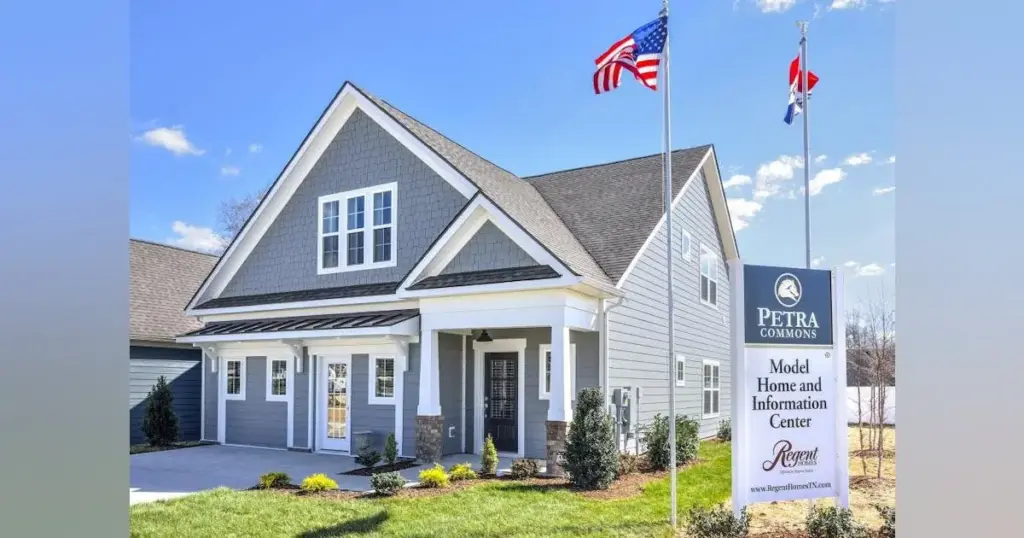
James Hardie’s flagship product line—HardiePlank® lap siding and HardiePanel® vertical panels—uses a proprietary blend of cement, sand, and cellulose fibers. This composition gives the material a density that resists warping, rot, and insect damage, advantages that traditional wood simply cannot match. In a 2025 study by the Building Science Corporation, fiber‑cement siding recorded a 96 % lower moisture absorption rate than wood lap siding, translating directly into a longer service life.
Beyond raw durability, Hardie siding offers a broad palette of textures and colors that are pre‑finished with a baked‑on paint system. The paint is fused into the surface during manufacturing, which means it won’t chip or peel even after years of exposure to harsh UV rays. According to the National Association of Home Builders (NAHB) 2026 “Siding Performance Survey,” homeowners report a 78 % satisfaction rate with Hardie’s color retention after ten years, compared with 55 % for vinyl.
Table of Contents
- What Sets James Hardie Siding Apart?
- Cost Overview: What to Expect in 2026
- Installation: Best Practices and Common Pitfalls
- Preparing the Substrate
- Tools of the Trade
- Step‑by‑Step Installation Guide
- Real‑World Case Studies
- Case 1: Historic Victorian in Portland, OR
- Case 2: New Construction in Dallas, TX
- Comparing Hardie to Other Siding Materials
- Common Mistakes and How to Avoid Them
- FAQ: Quick Answers to Popular Queries
- Is James Hardie siding really fire‑resistant?
- Can I paint Hardie siding after installation?
- How does Hardie siding perform in hurricane‑prone areas?
- What is the environmental impact?
- Future Trends: What’s Next for Fiber‑Cement Siding?
- Bottom Line: Is James Hardie Siding Worth It?
Cost Overview: What to Expect in 2026

Cost is often the primary factor steering a siding decision. While James Hardie siding carries a higher upfront price than vinyl, its total cost of ownership (TCO) frequently proves lower over a 30‑year horizon. Below is a simplified breakdown based on data from the 2026 Home Improvement Cost Index (HIC Index):
- Material cost: $4.75 – $6.20 per square foot, depending on style and finish.
- Installation labor: $2.30 – $3.10 per square foot, reflecting the need for specialized tools and a certified installer.
- Maintenance savings: Zero painting required for the first 15 years, saving an average of $1,200 per homeowner per repaint cycle (source: Homeowners Association of America, 2026).
- Energy efficiency boost: Hardie siding’s thermal mass can reduce heating bills by up to 6 % in colder climates, according to the Department of Energy’s 2025 Residential Energy Outlook.
When you factor in the lower repair frequency and the higher resale value—homes with fiber‑cement siding command a 3‑5 % premium in the current market—the investment starts to look compelling.
Installation: Best Practices and Common Pitfalls
Preparing the Substrate
A solid, flat substrate is essential for a flawless Hardie finish. The manufacturer recommends a moisture‑tested sheathing surface with a maximum moisture content of 12 %. For older homes with plywood or OSB that may have absorbed humidity, a moisture barrier such as a 0.5 mm polyethylene sheeting is advisable.
Tools of the Trade
Hardie siding requires a few specialty tools:
- Scoring saw or carbide‑tipped circular saw for clean cuts.
- Rubber‑mallet and back‑nailing system to avoid cracking the panels.
- Fiberglass‑reinforced tape and exterior‑grade sealant for joints.
Attempting a DIY install without these tools often leads to cracked edges or uneven seams, which can compromise the siding’s weather resistance.
Step‑by‑Step Installation Guide
Below is an actionable roadmap for a professional crew:
- Measure and layout: Use a laser level to mark a straight starting line, typically 1/4 inch above the foundation.
- Install a moisture barrier: Apply a house‑wrap like Tyvek® and secure with cap nails.
- Attach starter strips: These provide a level base for the first course of HardiePlank.
- Hang the panels: Begin at the bottom, overlapping each course by 1 – 1.5 inches. Use corrosion‑resistant nails placed 16 inches apart.
- Seal joints: Apply a high‑quality acrylic sealant to all butt joints and corners.
- Finish trims: Install Hardie trim pieces around windows, doors, and rooflines, ensuring they are flashed correctly.
For a deeper dive into siding installation nuances, see our Vinyl Siding Guide 2026, which, despite focusing on vinyl, covers universal best practices like moisture management and flashing that apply equally to fiber‑cement installations.
Real‑World Case Studies
Case 1: Historic Victorian in Portland, OR
Homeowner Sarah Mitchell replaced deteriorating wood clapboards with HardiePlank in 2024. After a 30‑day installation, the house passed the Oregon Energy Trust’s “Zero Energy Ready” audit, thanks to the siding’s thermal mass. Three years later, the exterior shows no signs of paint fading or panel warping, even after two severe winter storms that brought over 12 inches of snow.
Case 2: New Construction in Dallas, TX
A developer of a 50‑unit townhouse complex selected HardiePanel for its vertical aesthetic and low maintenance promise. The project’s total siding cost averaged $5.80 per square foot, still below the region’s average for premium vinyl. A post‑occupancy survey indicated a 92 % resident satisfaction rate regarding curb appeal and perceived durability.
Comparing Hardie to Other Siding Materials
When you line up James Hardie against vinyl, engineered wood, and fiber‑cement alternatives, several factors stand out:
| Material | Life Expectancy | Maintenance | Cost (per sq ft) | Weather Resistance |
|---|---|---|---|---|
| James Hardie Fiber‑Cement | 30‑50 years | None (first 15 yrs) | $4.75‑$6.20 | Excellent (fire, moisture, insects) |
| Vinyl | 20‑30 years | Repaint every 8‑10 yrs | $2.50‑$4.00 | Good, but prone to cracking in extreme temps |
| Engineered Wood | 15‑25 years | Regular painting, anti‑rot treatments | $3.00‑$5.00 | Moderate; can swell with moisture |
Hardie’s superior fire rating (Class A) also makes it a popular choice in wildfire‑prone regions, a factor highlighted in the 2025 California Wildfire Mitigation Report.
Common Mistakes and How to Avoid Them
- Skipping the moisture barrier: This can trap humidity behind the panels, leading to mold.
- Improper nail placement: Nails too close to the edge can cause cracking; always follow the 16‑inch spacing guideline.
- Using the wrong sealant: Silicone can stain the paint; opt for a UV‑stable acrylic sealant.
- Neglecting expansion gaps: Hardie panels expand and contract; a 1/8‑inch gap at the top of each course prevents buckling.
FAQ: Quick Answers to Popular Queries
Is James Hardie siding really fire‑resistant?
Yes. The product meets ASTM E84 Class A fire‑rating, meaning it contributes minimally to flame spread.
Can I paint Hardie siding after installation?
The factory‑finished paint is designed to last 15 years. If you choose to repaint after that, use a high‑quality, exterior acrylic latex paint and follow the manufacturer’s priming recommendations.
How does Hardie siding perform in hurricane‑prone areas?
Its dense composition and secure fastening system give it a higher wind‑uplift resistance than vinyl. The International Code Council (ICC) rates it up to 150 mph when installed per the Hardie Installation Guide.
What is the environmental impact?
Hardie’s cement core contains recycled materials, and the product is 100 % recyclable at the end of its life cycle, according to the Hardie Sustainability Report 2026.
Future Trends: What’s Next for Fiber‑Cement Siding?
Industry analysts from the Architectural Wood Products Association (AWPA) predict that smart‑coating technologies will be integrated into fiber‑cement panels by 2028, adding self‑cleaning and antimicrobial properties. Additionally, a new “Hybrid Hardie” line slated for early 2027 will combine a lightweight polymer core with the traditional cement matrix, reducing overall weight by up to 20 % without sacrificing durability.
These innovations will further cement (pun intended) James Hardie’s position as the premium, low‑maintenance solution for the modern homeowner.
Bottom Line: Is James Hardie Siding Worth It?
For homeowners who prioritize longevity, fire safety, and aesthetic flexibility, James Hardie siding delivers a compelling value proposition. While the initial expense exceeds that of vinyl, the reduced maintenance, superior weather resistance, and higher resale value close the gap—and often tip the scales in Hardie’s favor. If you’re ready to invest in a siding system that stands the test of time, partnering with a certified installer and following the best‑practice guidelines outlined above will ensure you reap the full benefits.
Still unsure? Explore more about siding options and cost‑saving strategies in our Vinyl Siding Guide 2026, where we compare long‑term expenses across multiple materials, helping you make a data‑driven decision.